Ask someone what a spice hub is and you will usually get one of two answers. Some say it is a building. Others say it is a team. Both are right, and the fact that it is both at once is the whole point.
A building that holds four things
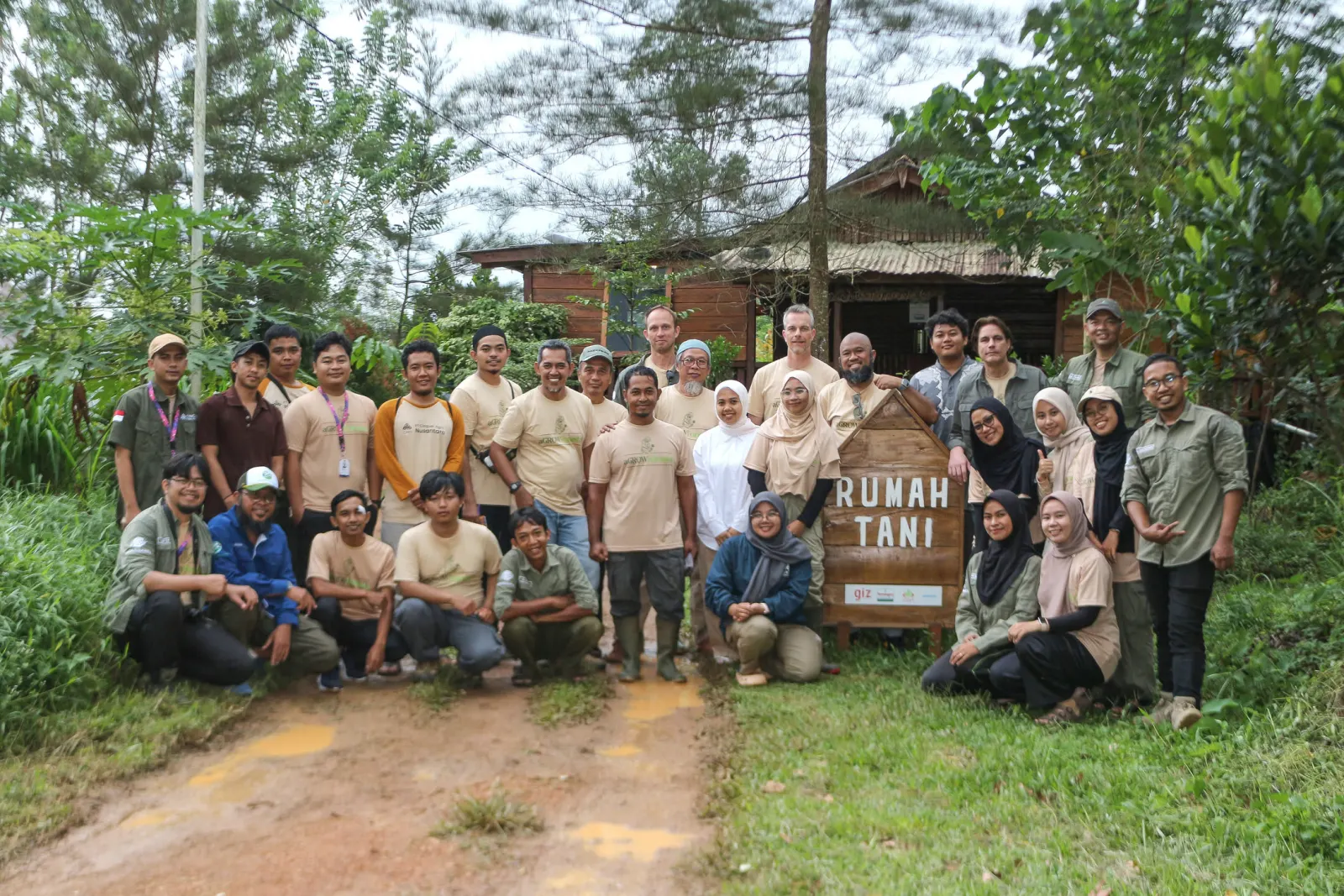
A hub is a physical base inside a farming community — often a Rumah Tani, a farmer house, with a roof wide enough for forty people to sit under. What it holds is deliberate:
- A nursery, where pepper seedlings are raised on prepared media with beneficial microbes rather than in whatever soil is nearest.
- A training floor, where farmers try climate-smart methods before committing their own land.
- A consultation desk, for the specific questions a specific plot raises.
- A meeting point, where the farmer group, the field team, the harvest data and the buyer end up in the same room.
Take any one of those away and the others weaken. A nursery without training produces good seedlings that go into badly prepared ground. Training without a meeting point produces knowledge that never reaches a price.
A team that stays
The building matters less than who is standing in it. Every hub is operated by Change Makers — field trainers drawn from the communities they serve, trained first and then coaching others.
The distinguishing thing about them is not what they know. It is when they show up. A workshop is easy to attend and easy to forget. The first six months after a farmer commits to changing a system are when doubt does the most damage: the trees are small, the shade is thin, and the old way still looks safer. That is the stretch a Change Maker walks with them.